

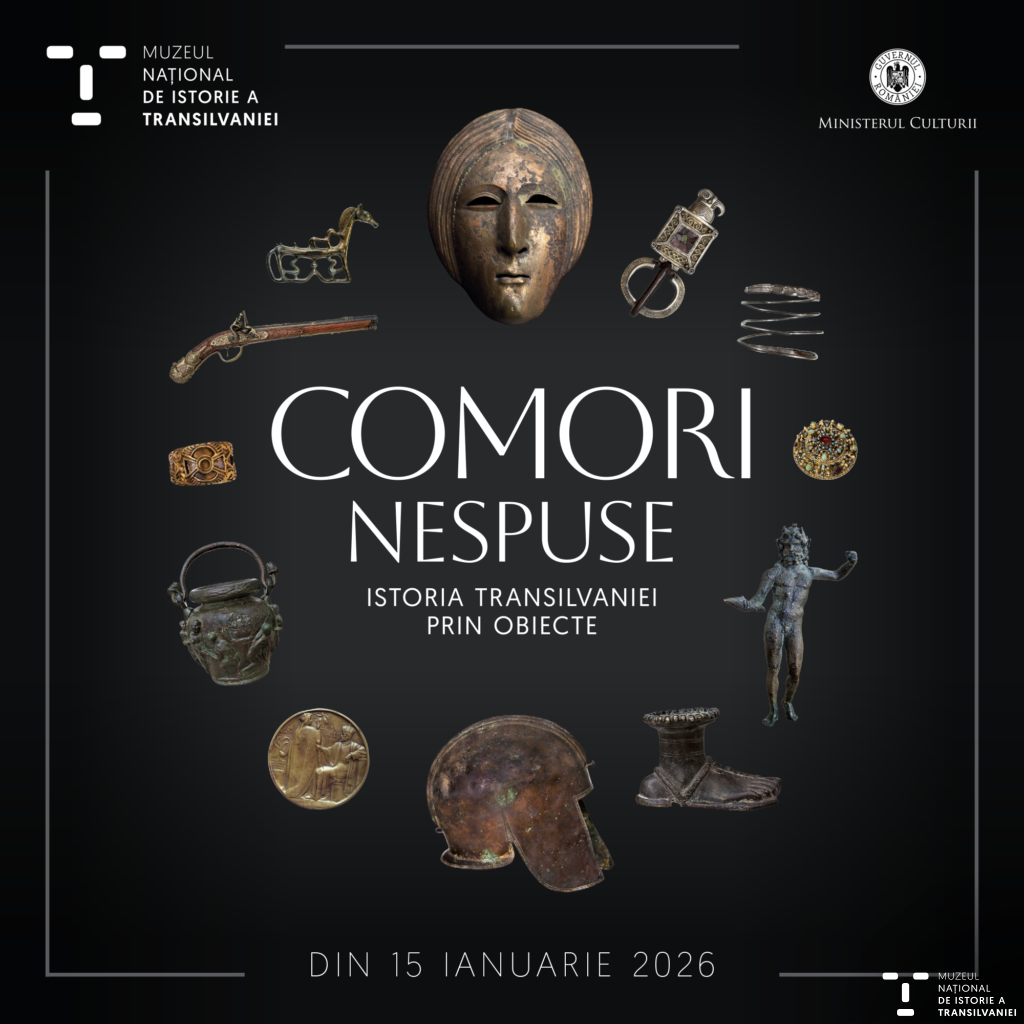
Untold Treasures. The History of Transylvania Through Objects
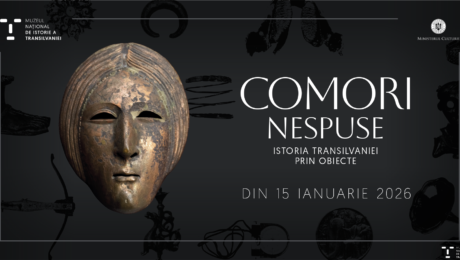
from January 15, 2026, Str. C. Daicoviciu, no. 2, Cluj-Napoca
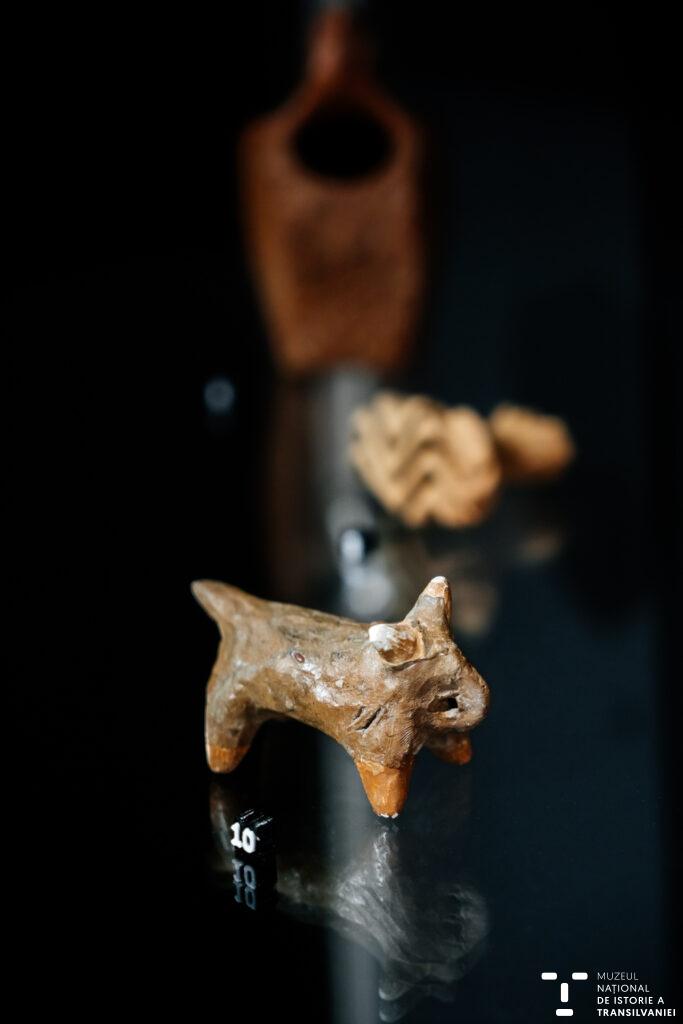
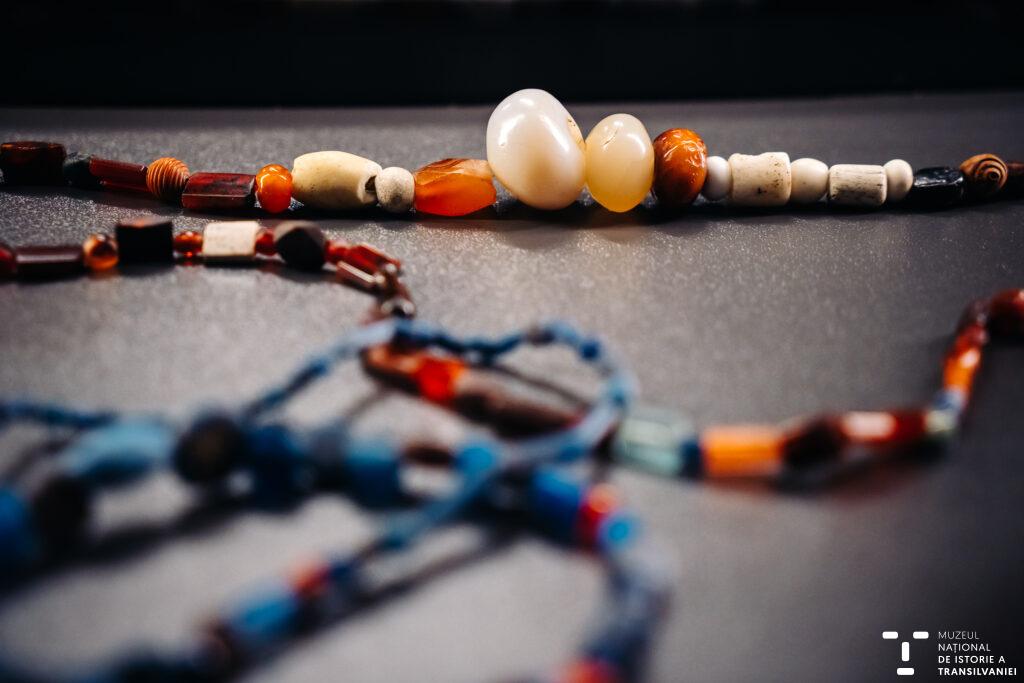
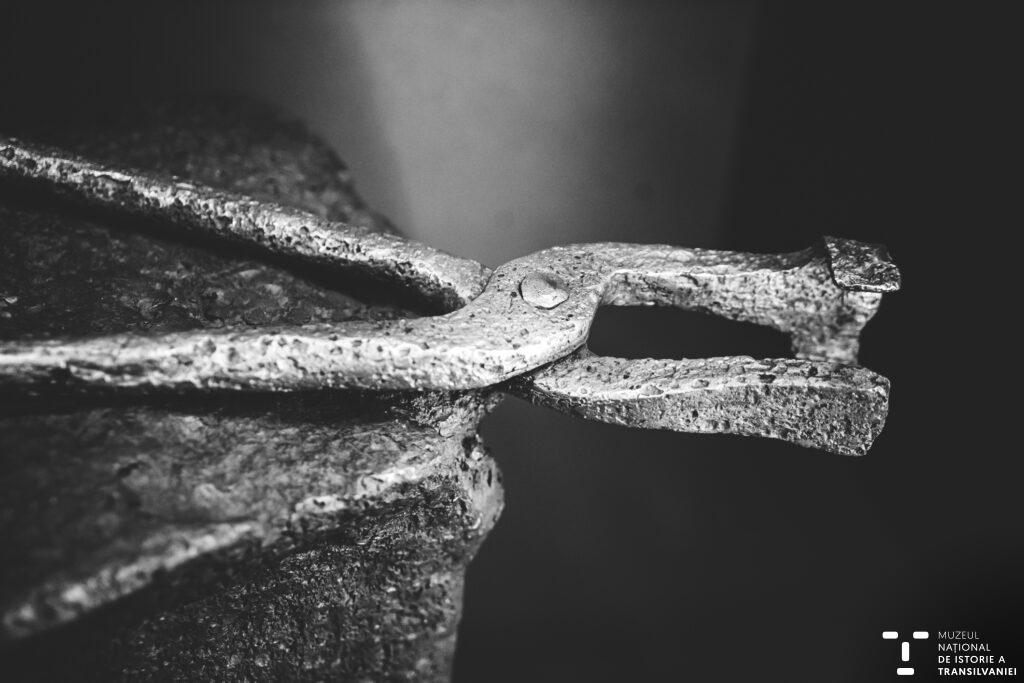
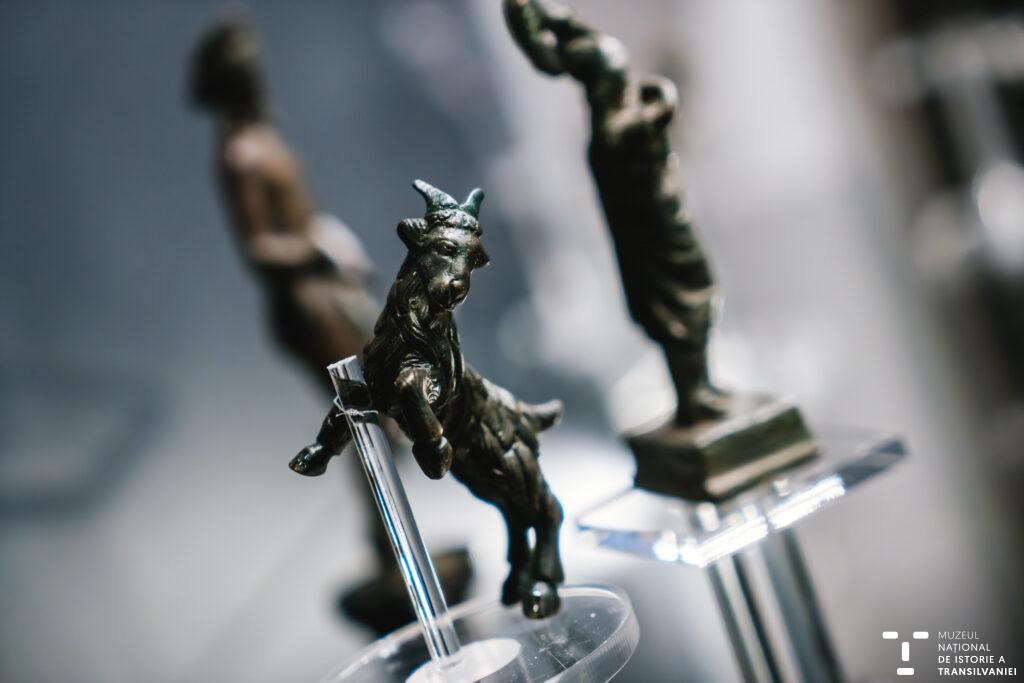
The exhibition traces the history of Transylvania from the first human traces in the caves of the Carpathians, passing through the Neolithic revolution and the beginnings of metallurgy, the Dacian era and Roman rule, the medieval ages and the transformations of the modern era, to the threshold of the contemporary world.
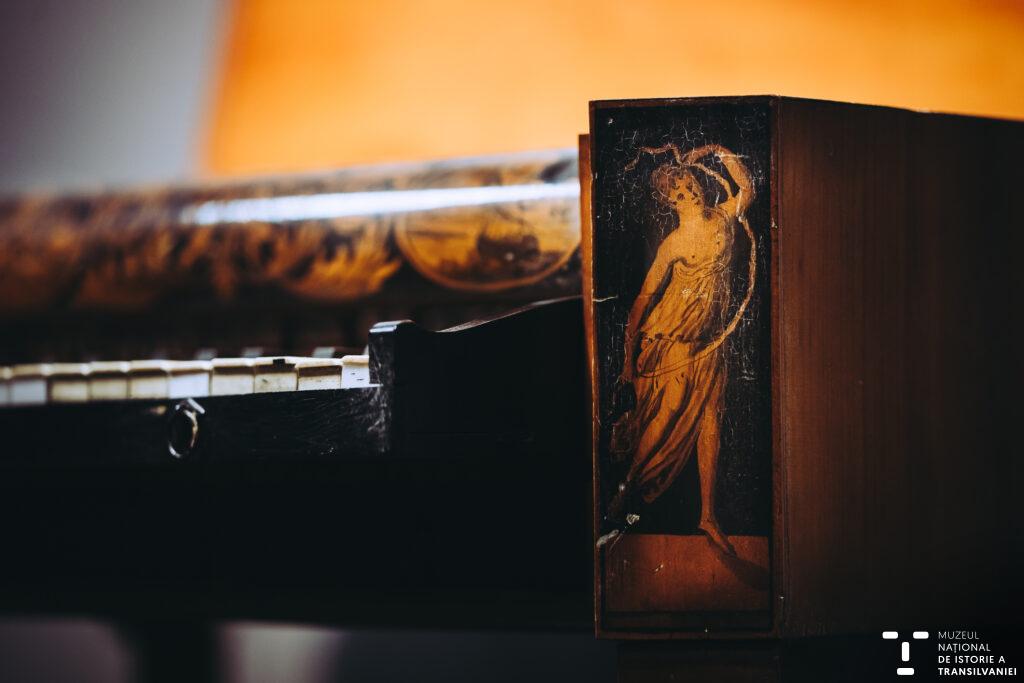
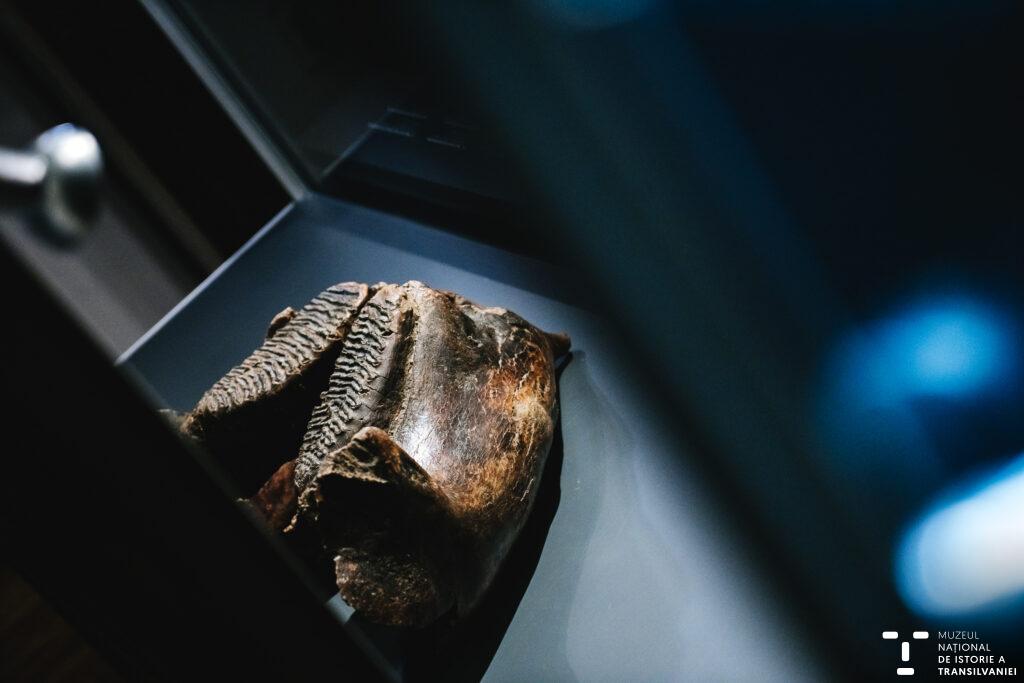
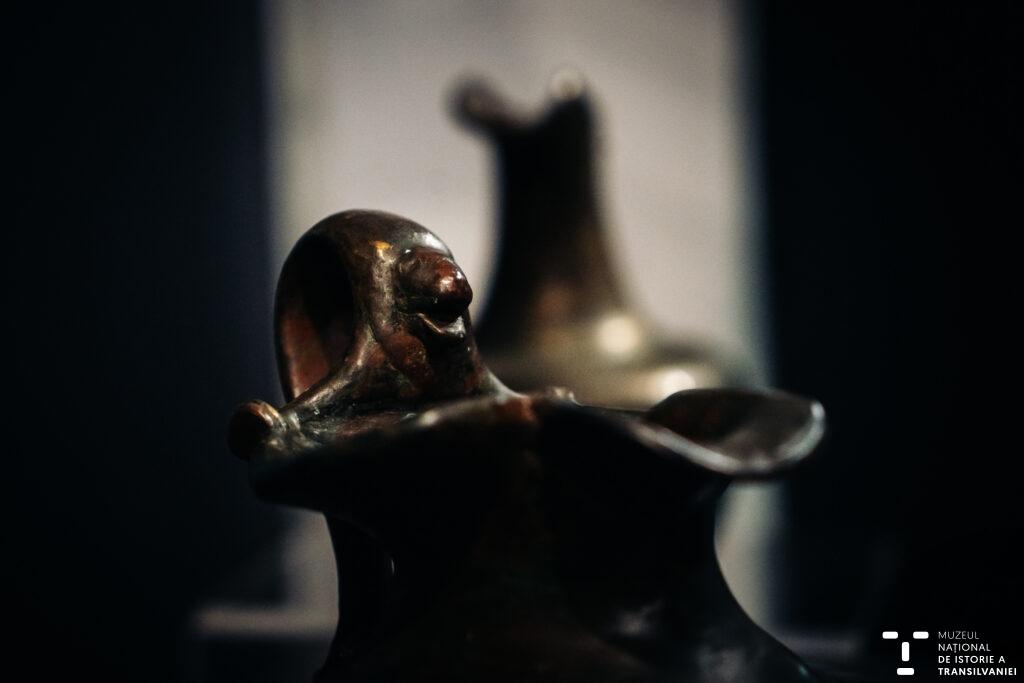
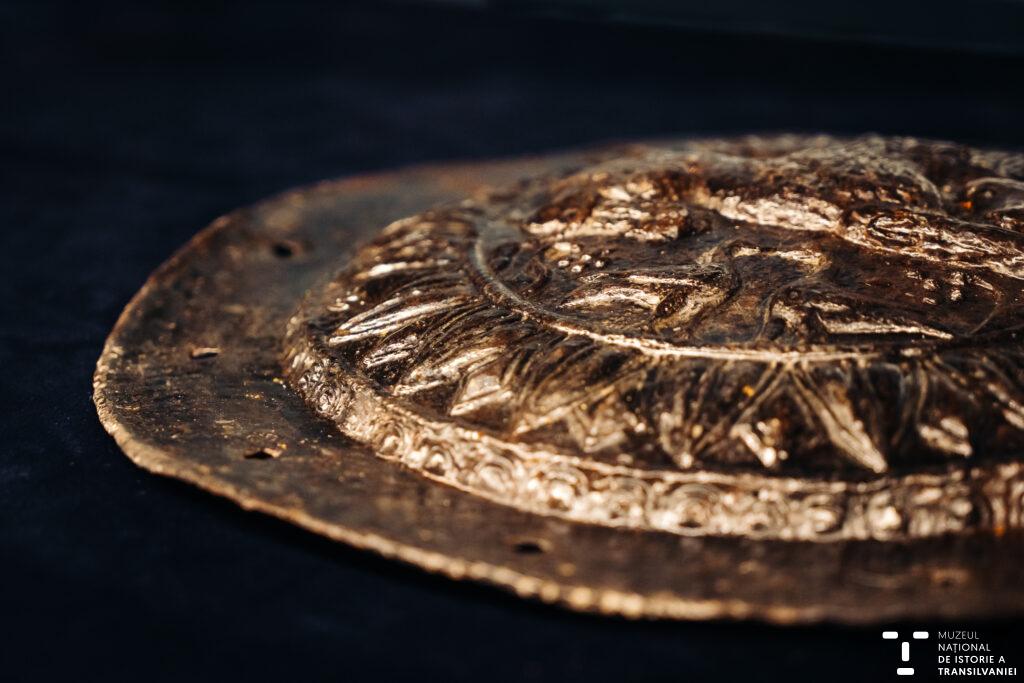
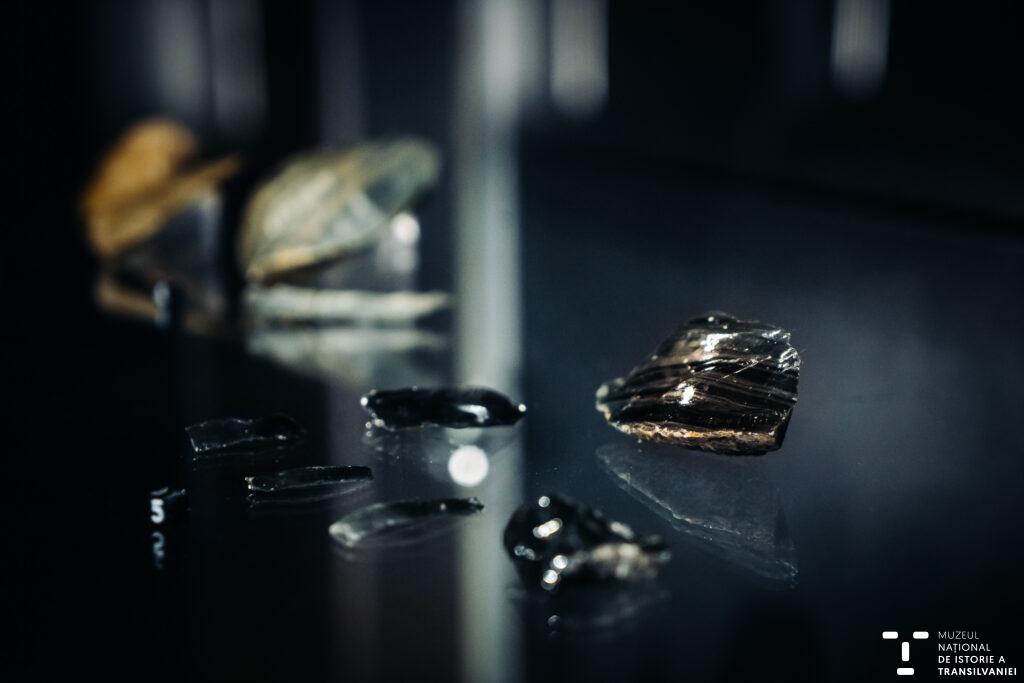
Each object on display in the new exhibition carries within itself a fragment of time. Parts of a mammoth from tens of thousands of years ago, a clay vessel shaped like a human face molded by the first farmers, a sword belonging to a Dacian, a Roman parade mask, intentionally deformed skulls from the Migration Period, winged dragons used as candle holders in the early Middle Ages, crossbows, maces and other weapons from subsequent eras, from the first representations of Cluj to images of the Revolution captured in the Transylvanian city – all are testimonies of those who lived, created and gave meaning to these places over the millennia.
Objects have been selected that illustrate the ingenuity, beliefs and cultural diversity of the communities that lived here. Long preserved in the earth or in hidden places, they now tell their stories.
The exhibition, which spans both floors of the museum, can be visited from Tuesday to Sunday, between the hours of 10:00 AM and 18:00 PM (last entry 17:15 PM).
Tickets can also be purchased online, from the website: https://mnit.ro.https://mnit.ro.
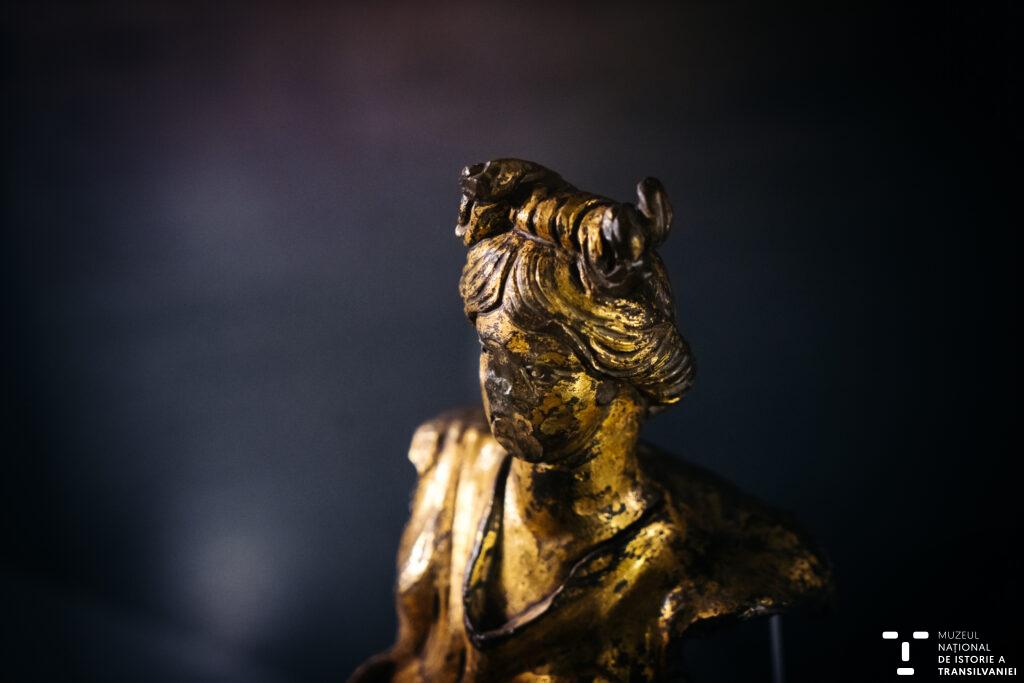
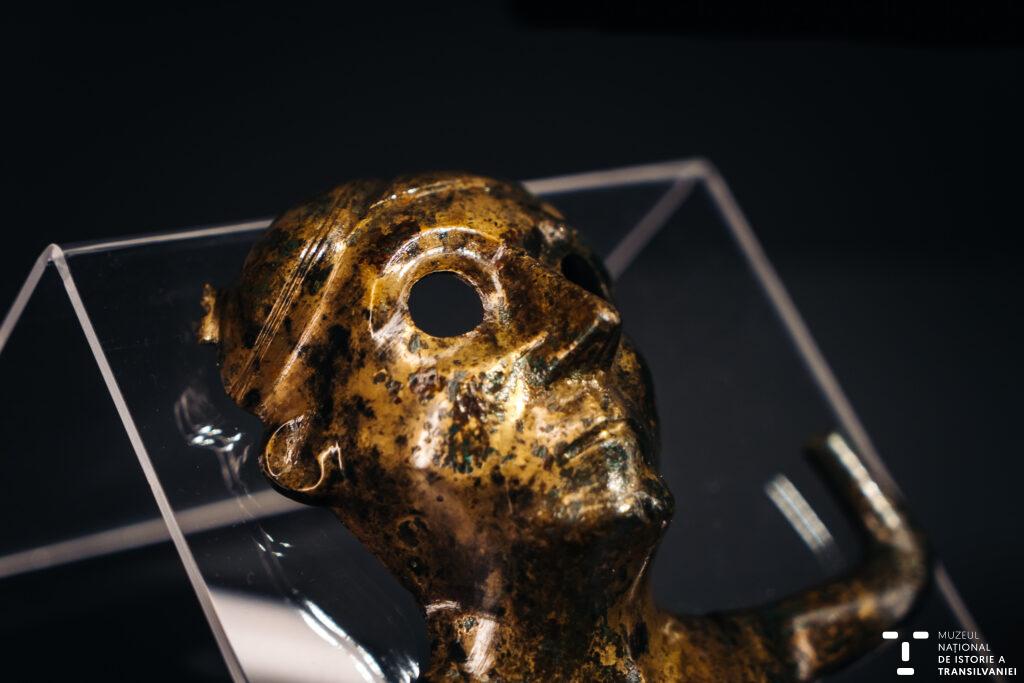
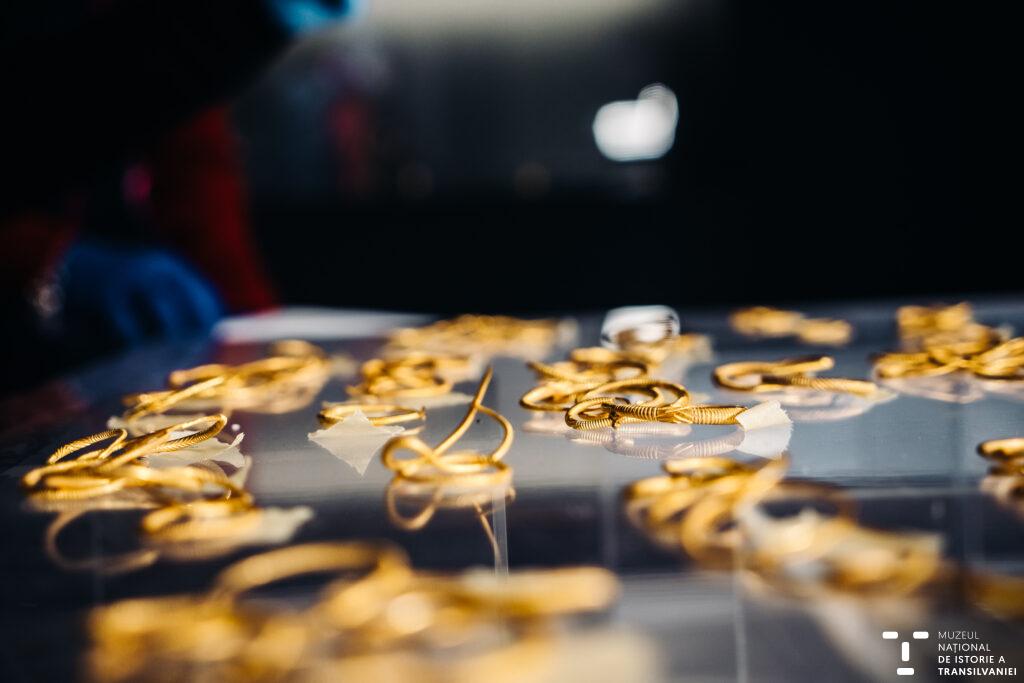
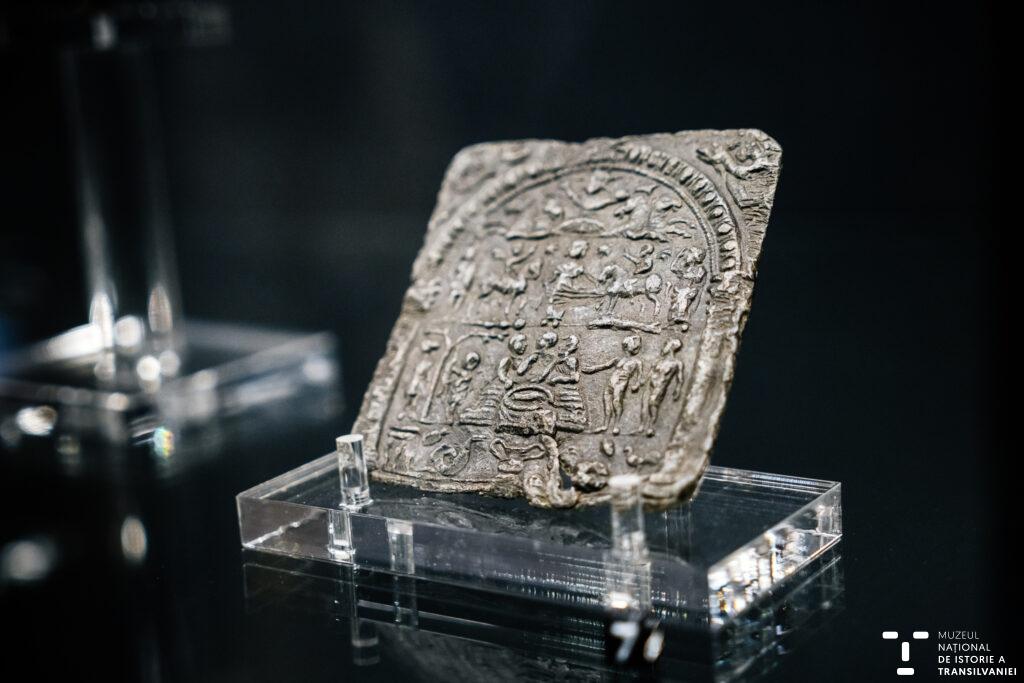
- Published in EXHIBITIONS, EXHIBITIONS AT THE HEADQUARTERS
ROMAN LAPIDARY

Permanent exhibition
C. Daicoviciu Street, no. 2, Cluj-Napoca

You can find interesting and detailed information, in Romanian, English and Hungarian, throughout the exhibition, by scanning the QR code at the entrance or on the link: https://mtra.ro/expo/9/
The Roman lapidary contains pieces representative of the history of ancient Transylvania, most of which come from the intra-Carpathian territory of the province of Dacia. This heritage was established based on pieces from the old collections of the Transylvanian Museum and the Museum of Antiquities, to which many others discovered during archaeological excavations, donated or purchased from various Transylvanian localities have been added over time. You can explore epigraphic and sculptural monuments, illustrating various aspects of daily, social and religious life from this historical period.
The monuments on display illustrate through text or images all aspects of the inhabitants' lives. Roman Dacia. Thus, epigraphic and sculptural monuments are important sources for the study of ethnic, social, economic, administrative, military structures, but also for the study of religious life, the funerary domain, artistic manifestations, and even daily life in the former province of the Roman Empire. Numerous pieces come from the area of the current city of Cluj-Napoca, providing important information for the reconstruction of local history. Among these are two votive altars that attest to the rank of "municipium" of the city of Napoca received during the reign of Emperor Hadrian (117-138 AD), respectively the rank of "colonia" received under Marcus Aurelius (161-180 AD) or Commodus (180-192 AD).
From the point of view of functionality, the exhibited pieces are classified into several categories: funerary monuments, votive monuments, public monuments, architectural fragments.
The plaster copies of Hellenistic and Roman monuments, which decorate part of the exhibition space, were never integrated into the collection of the Roman lapidary, being treated as a graphic support of the exhibition. These represent cultural assets, being modern objects that reproduce famous ancient monuments for didactic purposes. They are part of a larger collection that also contains replicas of Egyptian and medieval monuments.
The MNIT team that coordinated the "Roman Lapidarium" exhibition : Irina Nemeti (curator), Eugenia Beu-Dachin (museographer), Sabin Grapini (restorer), Diana Bindea and Luminița Săsăran (conservators), Dana Gheorghe Șerban (graphic artist), Török Károly (designer), Dávid Petruț (translations), Cristina Țopan, Florin Runcan, Daniela Popa and Alexandru Runcan (technical-administrative team).


- Published in EXHIBITIONS, EXHIBITIONS AT THE HEADQUARTERS
MEDIEVAL AND PREMODERN LAPIDARY

Permanent exhibition
C. Daicoviciu Street, no. 2, Cluj-Napoca

You can find interesting and detailed information, in Romanian, English and Hungarian, throughout the exhibition, by scanning the QR code at the entrance or on the link: https://mtra.ro/expo/7/
The medieval and pre-modern lapidary constitutes one of the largest collections of its kind in the country, composed of Romanesque, Gothic and Renaissance architectural monuments, Baroque sculptural monuments, a vast collection of Renaissance, Baroque and Neoclassical funerary monuments and the collection of children in plaster casts of various types of medieval funerary and sculptural monuments in Transylvania.
The medieval and pre-modern lapidary of the National History Museum of Transylvania contains one of the most valuable collections of this kind in the country, with a number of 603 pieces.
The Ardelean Museum Society, the forerunner of the current museum, starting from the second half of the 19th century, initiated the systematic collection of architectural elements from the demolition of some historical Transylvanian buildings, most of them from the city of Cluj. So today we have a wonderful collection of architectural elements of the houses of the Renaissance Cluj, the way in which these private spaces of Cluj, the first city of Transylvania, were decorated.
The lapidary contains a significant collection of funerary, architectural and sculptural monuments from the 13th-19th centuries, entering the collection through acquisitions, donations and archaeological excavations. The lapidary collection was first exhibited to the public in 1903, on the initiative of archaeologist Béla Pósta, director of the Numismatic and Antiquities Collection of the Transylvanian Museum Society, in the basement of the central building of the University of Cluj.
The most spectacular funerary monuments are the sarcophagi dedicated to the memory of prominent personalities of the Transylvanian nobility. Gothic architecture in Transylvania is represented by the Gothic keystones of the St. Michael parish church in Cluj and by various architectural elements of the Dominican Monastery in Cluj, donated to the museum following the restoration of the building.
In the lapidarium are exhibited the first Renaissance architectural monuments in Transylvania, intended to decorate the episcopal fortress in Gilău and the earliest tabernacle in Transylvania, from the reformed church in Coveș (Sibiu county).
In the lapidary, six baroque statues are exhibited that originally decorated the attic of the court of honor of the Bánffy family castle in Bonţida. The statues were made between 1751-1753 by one of the most famous Baroque sculptors from Transylvania, Johann Nachtigall, representing various characters from Ovid's Metamorphoses.
Today's redevelopment aims to reorganize the lapidary according to thematic and chronological criteria, as well as to highlight this collection with the help of a modern, interactive design, dedicated to both specialists and the general public.
The exhibition can be visited during MNIT's opening hours. We look forward to you discovering or rediscovering this space, in a new form!


- Published in EXHIBITIONS, EXHIBITIONS AT THE HEADQUARTERS
GODS AND MORTAL IN ANCIENT EGYPT

Temporary exhibition, from September 2, 2022, MNIT headquarters
Str. C. Daicoviciu, no. 2, Cluj-Napoca, floor 1.

For the English version of the exhibition's labels and posters, scan the QR code, or access https://mtra.ro/expozitii/7/
The Egyptian collection, one of the collections preferred by the Cluj public, comes before visitors in an innovatively designed space with multimedia applications, modern and interactive technology.
The exhibition itself brings to the fore the pieces from the MNIT Egyptian collection, donated to the Transylvanian Museum in the second half of the 19th century and the first half of the 20th century, the central piece being a human mummy in a painted wooden sarcophagus, discovered at Gamhud, in Middle Egypt. The pieces illustrate a history of over 2.000 years, during which the Egyptians embalmed and buried their deceased so that they could continue their lives in the "afterlife". In addition to the funerary objects, the exhibition also highlights votive objects, as well as objects of daily use.
In order to be prepared for the exhibition, the 49 artifacts were subjected to conservation and restoration procedures, and the human mummy, along with mummified human organs and mummified animals, were also subjected to medical imaging investigations, procedures that led to extremely interesting results, which will be revealed for the first time, within the exhibition. Also, interesting details will be presented about the mummification techniques and the role of this ritual in the beliefs of the Egyptians. This entire exhibition process is illustrated by means of a documentary film, which presents the project's progress step by step and the observations of the specialists involved in the project.
We haven't forgotten the little ones either. Since stories related to Egypt are a real magnet for them, we have created a special space dedicated to museum education activities, where we will hold thematic workshops designed specifically for this topic.
The exhibition can be visited during MNIT opening hours and is open to the public for the next 5 years.


The exhibition “Gods and Mortals from Ancient Egypt” is the main objective of a large research and restoration project of pieces from MNIT's Egyptian Collection, project funded by the EEA Grants 2014 - 2021, within the RO-CULTURE Program, (project code CALL01-4), the call for "Supporting innovative exhibitions with restored movable cultural goods".
Project financed by the SEE Grants 2014 – 2021 within the RO-CULTURE Program
Contract no. RO-CULTURE-A1-2/2020/31.01.2020
Project duration: February 2020 – September 2022
Contract value: 615.547,61 LEI (128.719,10 EURO)
The general objective: to highlight the Egyptian collection, by creating an innovative exhibition with preserved and restored objects.
The EEA grants represent the contribution of Iceland, the Principality of Liechtenstein and the Kingdom of Norway to the reduction of economic and social disparities in the European Economic Area and to the strengthening of bilateral relations with the 15 beneficiary states in Eastern and Southern Europe and the Baltic states. In total, the three states contributed €3,3 billion between 1994 and 2014 and €1,55 billion for the 2014-2021 funding period. More details are available at: www.eeagrants.org and www.eeagrants.ro.
The RO-CULTURE program is implemented by the Ministry of Culture through the Project Management Unit and its general objective is to strengthen economic and social development through cultural cooperation, cultural entrepreneurship and cultural heritage management. More details are available at: www.ro-cultura.ro
- Published in EXHIBITIONS, EXHIBITIONS AT THE HEADQUARTERS
